
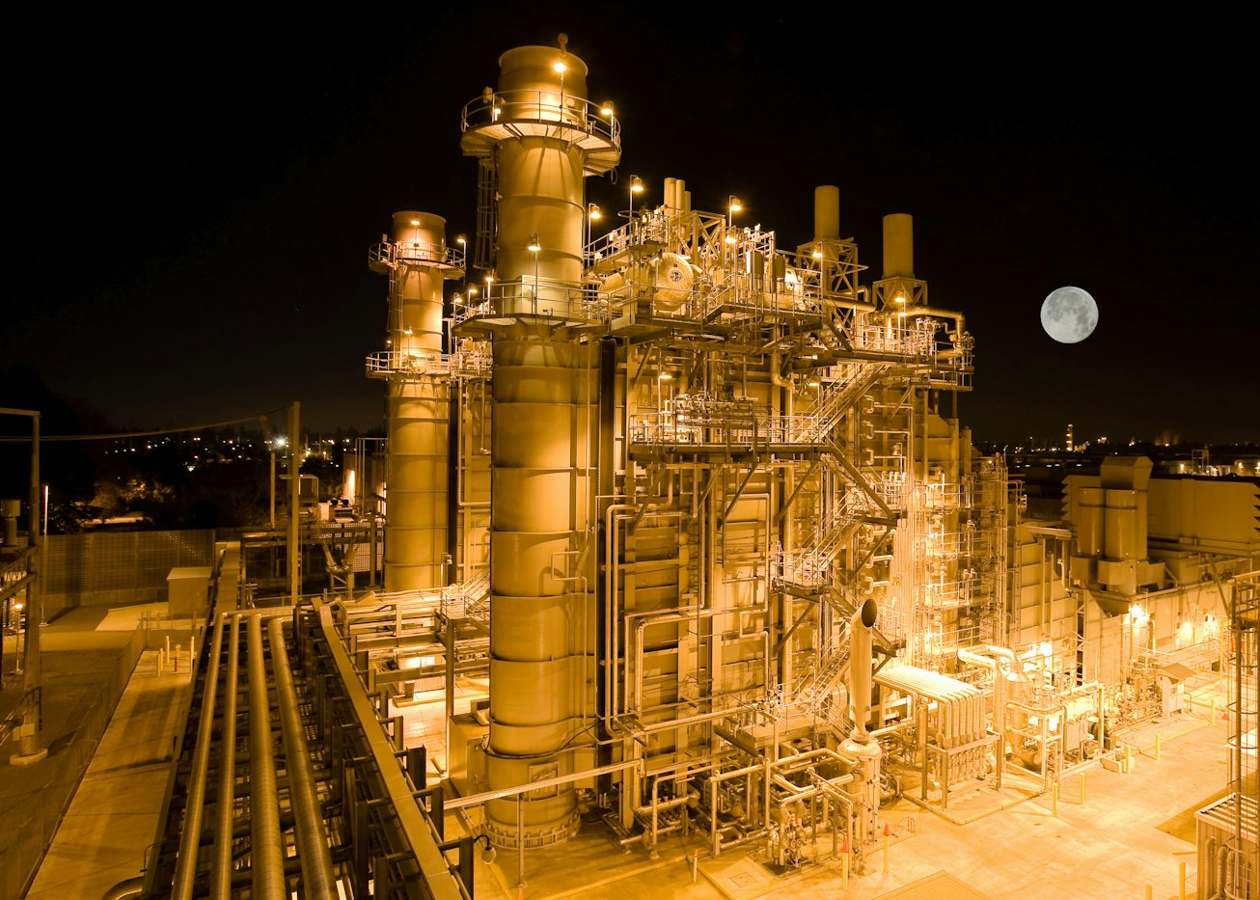
Energy Audit for Chemical Plants
Chemical plants are thermal-heavy: boilers, thermic fluid heaters, reactors, distillation and evaporation use most of the energy, supported by large pumping and cooling-water systems.
Start a free chemical auditHow a chemical plant uses energy
Chemical plants use fuel and steam for reactions, distillation and drying, and electricity for compressors, pumps, agitators and refrigeration. Energy is often both a feedstock and a utility.
- Distillation and evaporation are the largest steam users; heat integration (pinch analysis) offers large savings
- Refrigeration and brine systems serve reaction cooling
- Major levers: heat recovery, mechanical vapour recompression, VFDs on pumps and agitators, condensate recovery, and chiller optimisation
Top energy saving opportunities
Boiler and thermic fluid heater combustion tuning
Controlling excess air using flue-gas O2 and recovering stack heat with economisers or air pre-heaters.
Steam trap surveys and condensate recovery
A trap survey and returning clean condensate can bring quick fuel savings.
Insulation of hot lines, valves and flanges
Bare surfaces on steam and thermic fluid lines waste fuel all year round; Enerzivo calculates the loss per metre.
Pump efficiency and throttling losses
Oversized pumps running against throttled valves are ideal for impeller trimming or VFDs.
Cooling tower performance
Approach, range and effectiveness show whether fills, fans or water distribution need attention.
Actual savings depend on the plant. Enerzivo calculates savings, investment and payback from your measured data.
What to audit
- Boilers and thermic fluid heaters
- Steam networks, PRVs and condensate systems
- Reactors, distillation columns and evaporators
- Cooling towers and cooling-water pumps
- Process pumps, agitators and vacuum systems
The chemical sector in India
| World position | 6th largest chemical producer in the world and 3rd in Asia Source: IBEF / Department of Chemicals & Petrochemicals, 2024 |
|---|---|
| Market size | About USD 220 billion, expected to reach about USD 300 billion by 2025 Source: IBEF, 2024 |
| Regulation | Chlor-alkali and petrochemicals are PAT designated consumer sectors Source: BEE |
Chemical energy audit FAQs
How do I calculate boiler efficiency in a chemical plant?
+
Use the direct method (steam output x enthalpy rise / fuel heat input) for a quick check, and the indirect method (losses) to find where the losses are. Try our free boiler efficiency calculator.
What are the quickest wins in a chemical plant?
+
Steam leak and trap repairs, insulation of hot surfaces, excess air control and compressed air leak repair usually have the shortest paybacks.
Can Enerzivo handle multiple boilers and heaters?
+
Yes. Add as many boilers, thermic fluid heaters, pumps and cooling towers as the plant has; each gets its own calculations and appears in the report.
Audit your chemical plant with Enerzivo
Free Trial with all 25 modules, AI recommendations and a sample BEE-style PDF report. No card needed.