
Energy audits by industry
Every sector uses energy differently. These guides list the main utilities, the KPIs to measure and the energy saving opportunities auditors find most often.
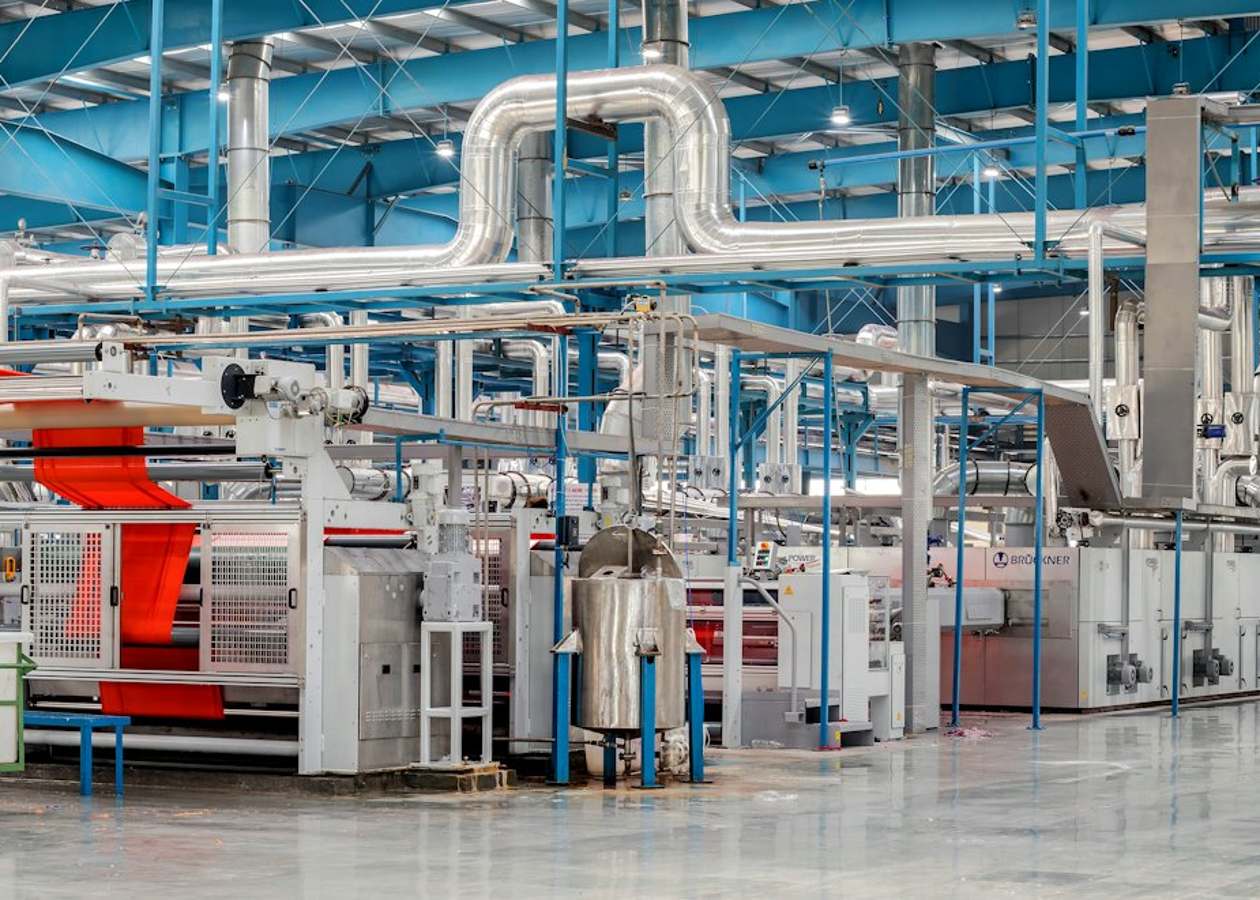
Energy Audit for Textile Mills
Spinning and weaving units run on electricity, while dyeing, printing and finishing depend on steam, hot water and thermic fluid. Enerzivo covers both sides of a textile mill in one audit.

Energy Audit for Pharmaceutical Plants
In pharma plants, clean-room HVAC and chilled water usually dominate the energy bill, followed by steam, purified water systems and compressed air. Enerzivo audits every utility while respecting GMP constraints.
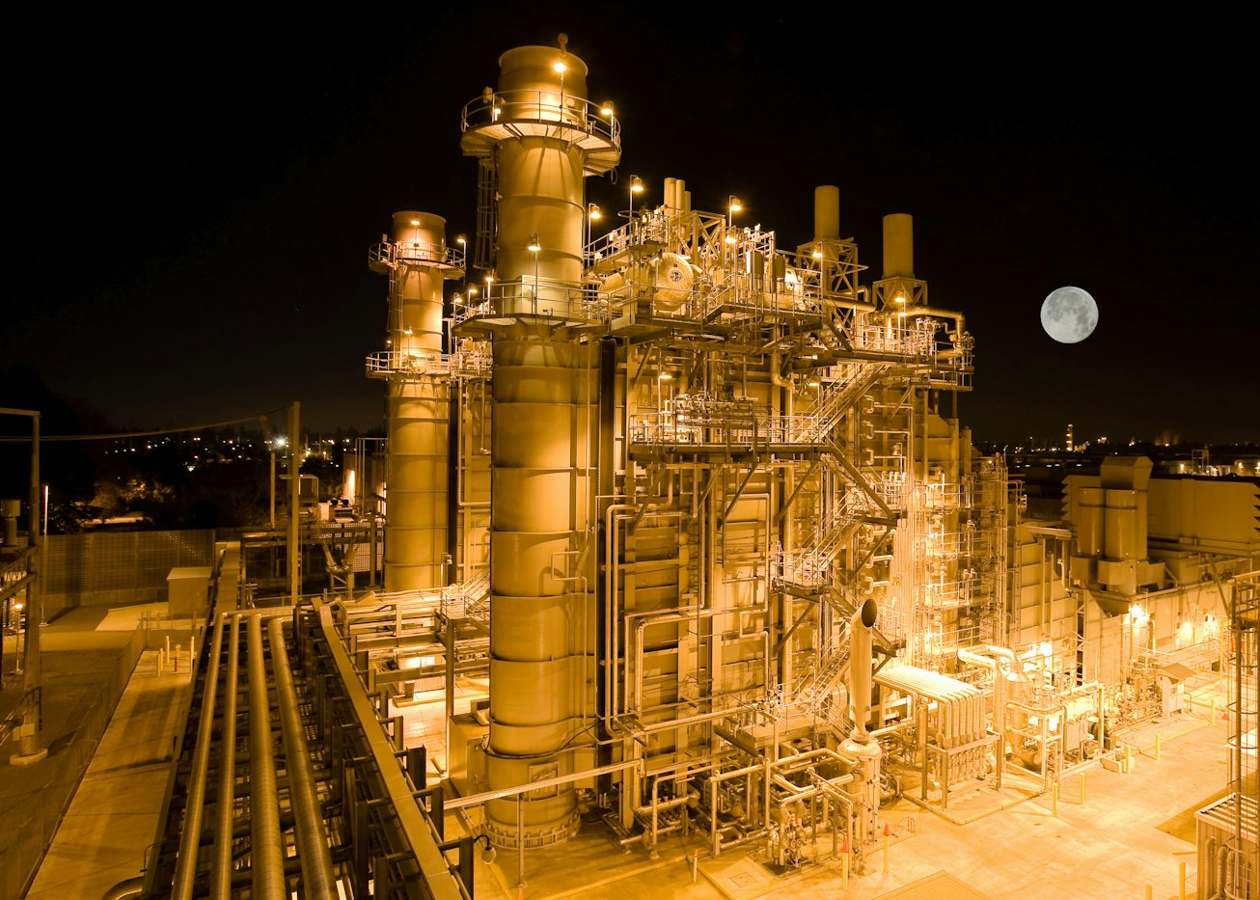
Energy Audit for Chemical Plants
Chemical plants are thermal-heavy: boilers, thermic fluid heaters, reactors, distillation and evaporation use most of the energy, supported by large pumping and cooling-water systems.
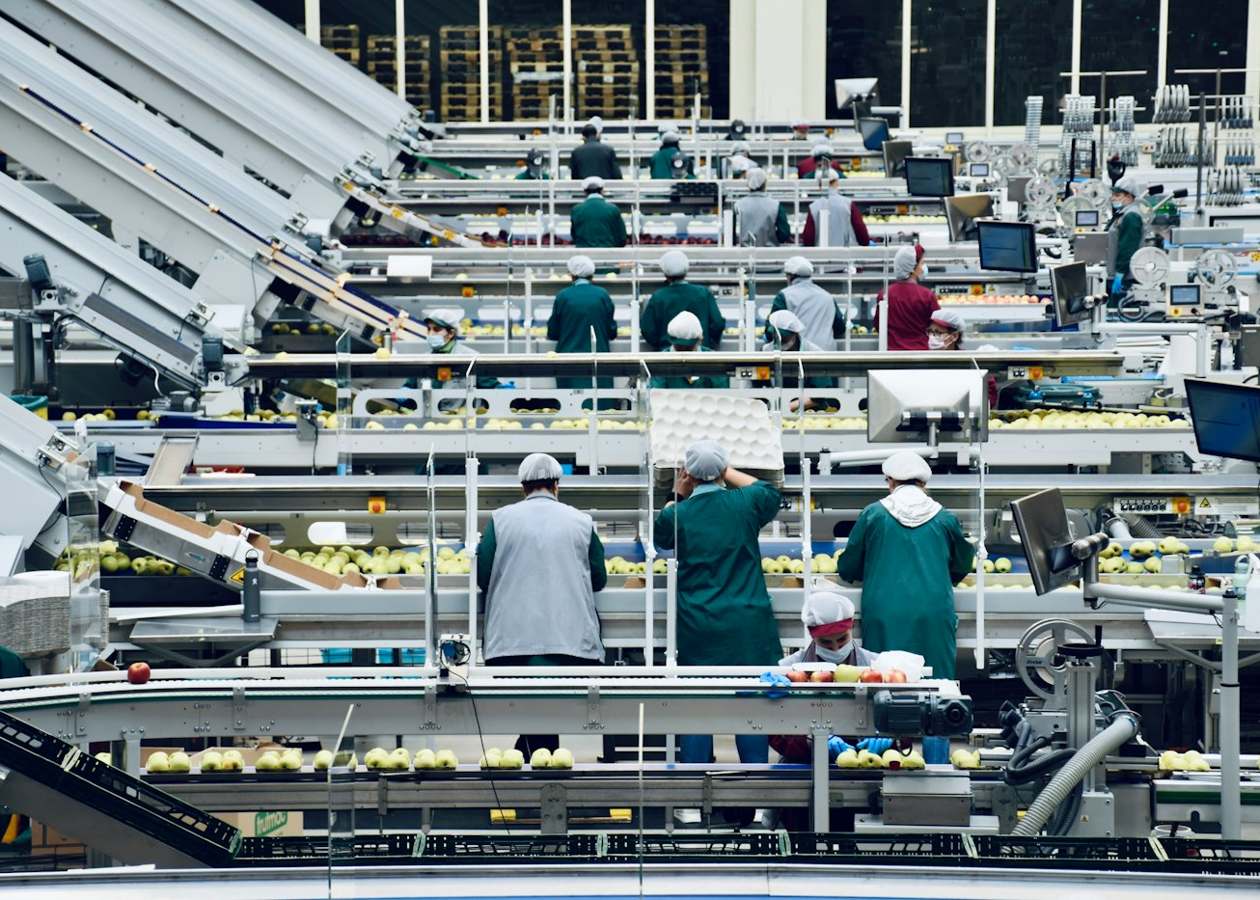
Energy Audit for Food Processing Plants
Food and beverage plants rely on refrigeration and cold storage, steam for cooking, blanching and CIP, and compressed air for packing lines. Enerzivo covers every utility in one audit.

Energy Audit Software for Paper Plants in India
Paper mills are among the most energy-intensive plants in India: steam dries the sheet on the paper machine, while refiners, vacuum pumps, pumps and fans consume most of the electricity. Enerzivo gives energy auditors one tool for both.
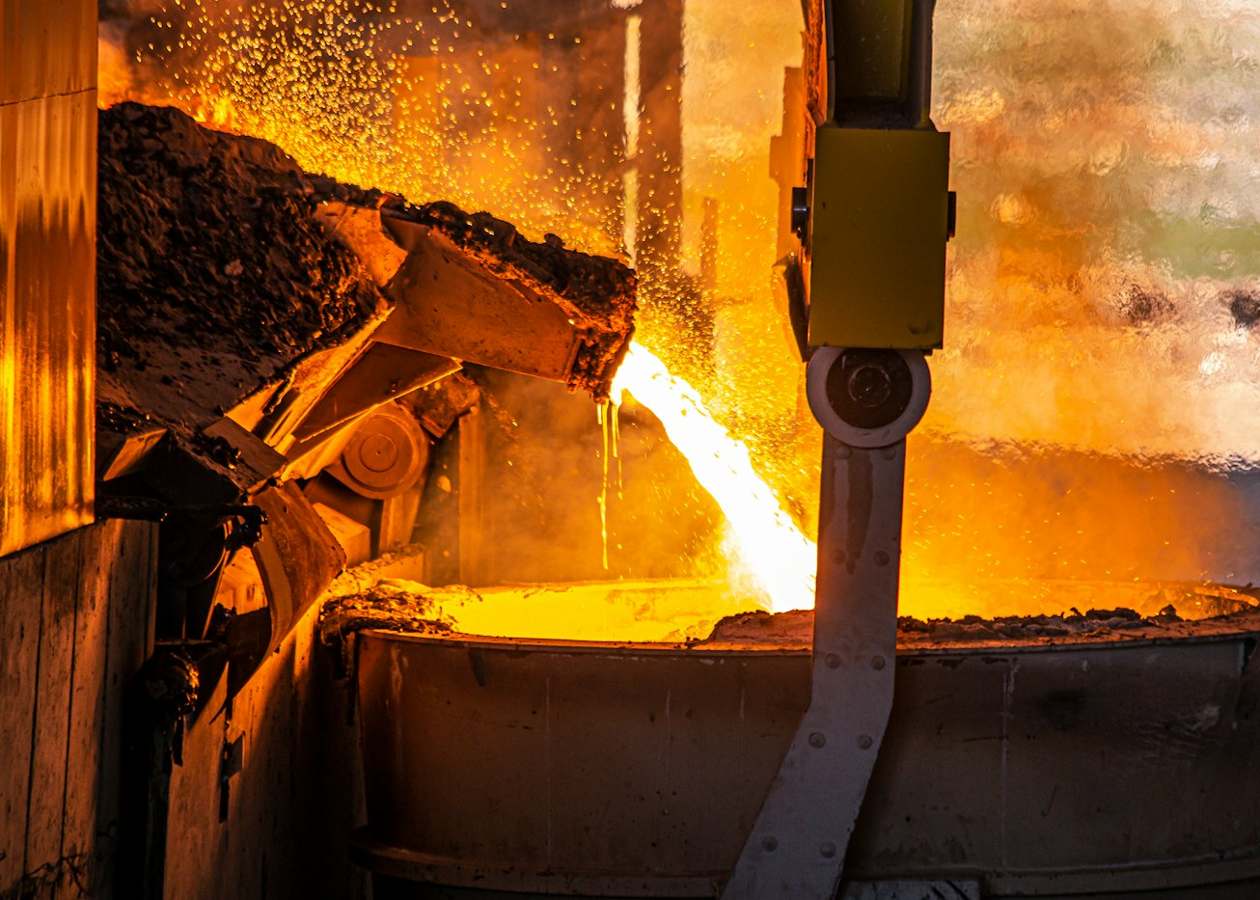
Energy Audit Software for Steel Plants in India
From induction furnaces and re-rolling mills to integrated plants, steel making turns large amounts of electricity and fuel into heat. Enerzivo helps auditors measure where that energy goes and how much can be saved.
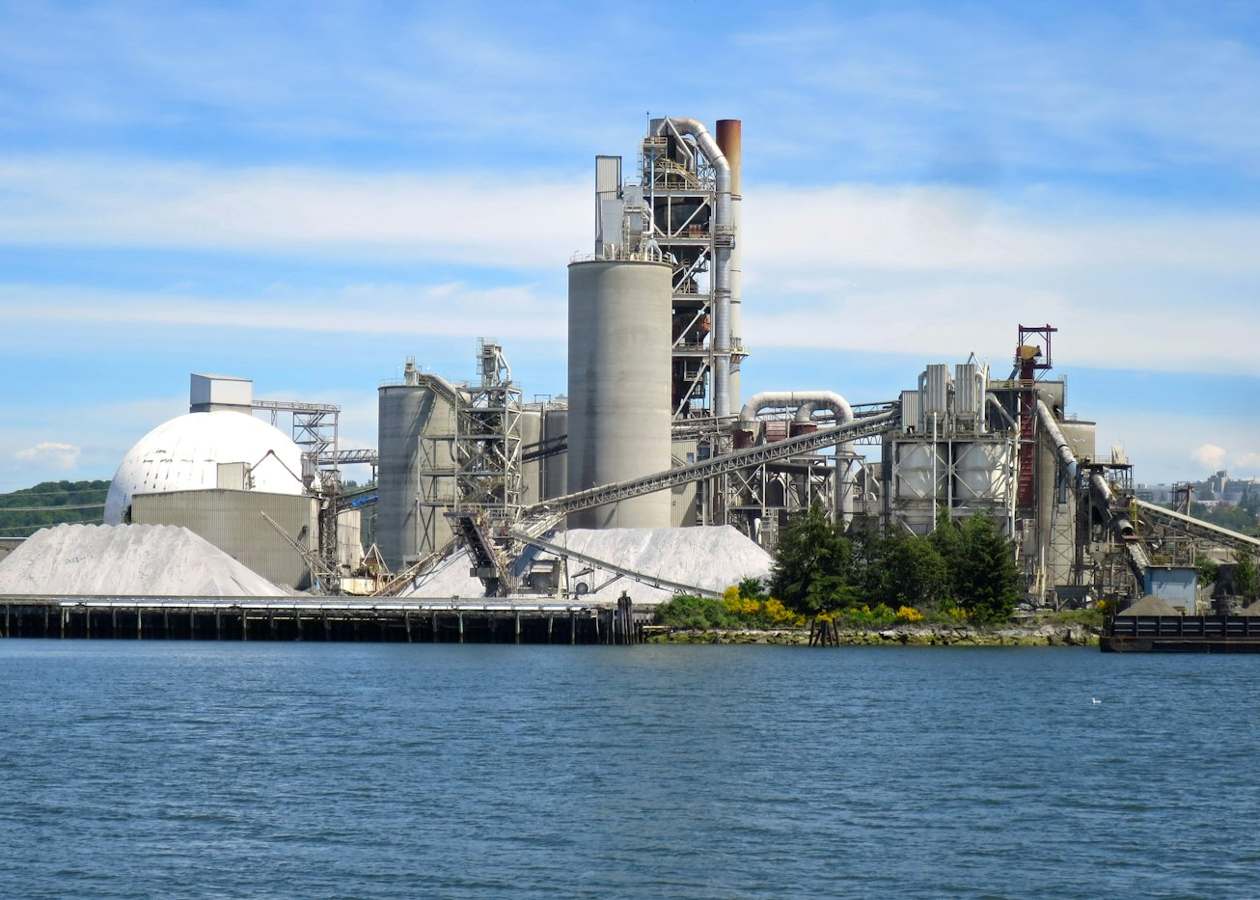
Energy Audit Software for Cement Plants in India
Cement plants burn fuel in the kiln and use electricity to grind raw meal, coal and cement and to drive large fans. Small improvements in kcal per kg of clinker or kWh per tonne are worth crores a year.
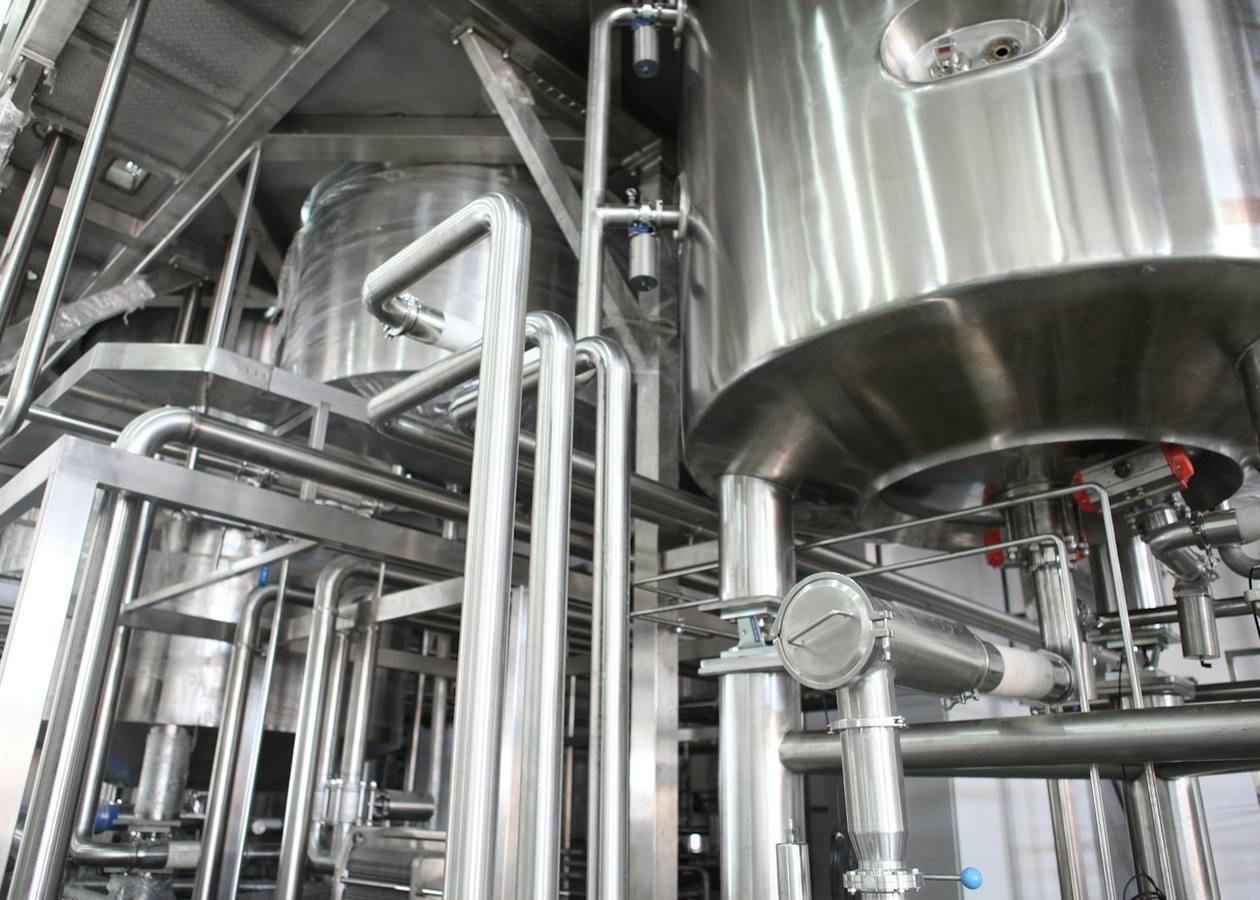
Energy Audit Software for Dairy Plants in India
A dairy heats and cools milk all day. Refrigeration and chilling, steam for pasteurisation, CIP and milk powder plants, and compressed air for packing make up most of the energy bill.